Nepal Waives Fees for 97 Himalayan Peaks in a Bold Move to Reshape Tourism
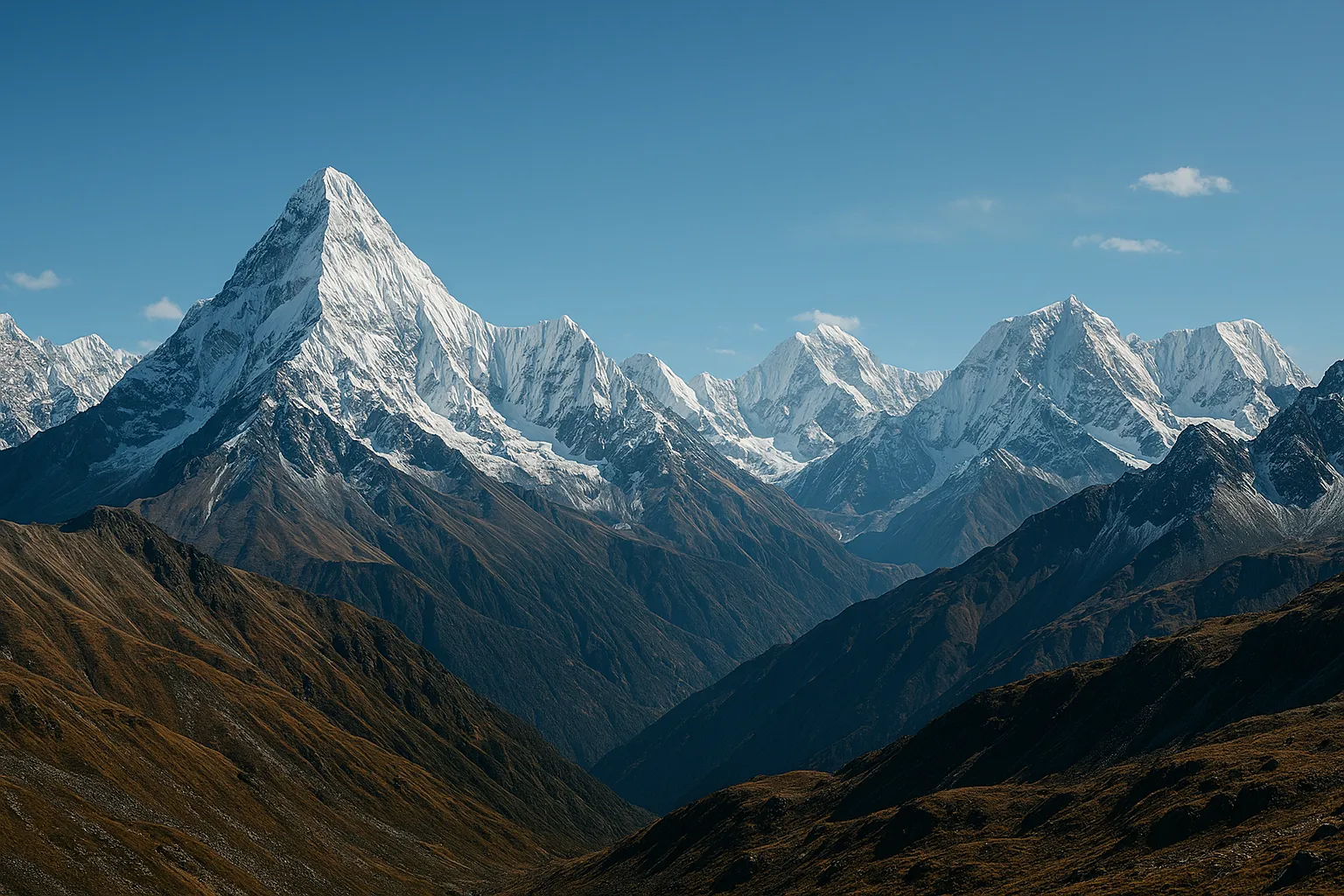
Kathmandu, Nepal – In a landmark decision aimed at diversifying its tourism landscape and alleviating the mounting pressure on Mount Everest, the Government of Nepal has announced that it will waive climbing permit fees for 97 remote Himalayan peaks for the next two years. This unprecedented move is designed to attract mountaineers to the pristine but less-explored western regions of the country, spreading the economic benefits of tourism and offering a different kind of Himalayan experience.
The initiative, which took effect in mid-2025, opens up a new frontier for climbers in the provinces of Karnali and Sudurpaschim. These regions are home to a stunning array of unclimbed and rarely attempted peaks, ranging in altitude from approximately 5,800 meters to over 7,100 meters. Notable among the newly free-to-climb mountains are the majestic Saipal (7,031 m) and Api (7,132 m), offering challenging ascents in a truly wild and remote setting.
This policy shift comes as Nepal grapples with the consequences of over-tourism on its most famous asset, Mount Everest. In recent years, the world's highest peak has seen record numbers of climbers, leading to concerns about overcrowding, safety, and environmental degradation. To counter this, alongside making the 97 peaks free, the government has increased the permit fee for Everest, signaling a clear strategy to redistribute climber traffic.
A New Chapter for Nepal's Far West
For decades, Nepal's mountaineering industry has been heavily concentrated in the Everest and Annapurna regions, leaving the vast potential of its western Himalayas largely untapped. These areas, while boasting breathtaking landscapes and rich cultural heritage, have remained economically disadvantaged due to their remoteness and lack of infrastructure.
By removing the financial barrier of permit fees, which can be a significant cost for expeditions, the government hopes to incentivize both international and domestic climbers to venture beyond the well-trodden paths. The move is anticipated to stimulate local economies by creating a demand for guiding services, porterage, accommodation, and other tourism-related businesses in villages that have so far seen little benefit from the country's mountaineering boom.
Opportunities and Challenges
The announcement has been met with enthusiasm from many in the mountaineering community, who see it as a golden opportunity for true exploration and to escape the commercialized environment of the more popular 8,000-meter peaks. The allure of first ascents and charting new routes on these "virgin" peaks is a significant draw for adventurous climbers.
However, experts and expedition operators have also pointed to the considerable challenges that lie ahead. The remote nature of these 97 peaks means that logistical hurdles will be significant. Access to many of these areas is difficult, requiring long treks or expensive domestic flights. The infrastructure, including teahouses, communication networks, and emergency rescue services, is far less developed than in the established climbing regions.
Furthermore, some have noted that the permit fee itself is often a small fraction of the total cost of a Himalayan expedition. The major expenses for climbers will remain transport, equipment, logistics, and staff. Therefore, while the fee waiver is a welcome incentive, its power to single-handedly transform the region's tourism fortunes remains to be seen.
Complete List of the 97 Royalty-Free Peaks
Below is the official list of the 97 peaks, organized by province and district, for which climbing royalty fees have been waived.
Peaks in Sudurpaschim Province
Bajhang District
| No. | Peak Name | Altitude (m) |
| 1 | Sudurpaschim Saipal Himal | 7,169 |
| 2 | Mt. Saipal | 7,031 |
| 3 | Mt. Api | 7,132 |
| 4 | Mt. Nampa | 6,755 |
| 5 | Mt. Bobaye | 6,808 |
| 6 | Mt. Jethi-Bahurani | 6,850 |
| 7 | Buro-Sail | 5,905 |
| 8 | Mt. Danphe Sail | 6,500 |
| 9 | Lasaar Peak | 6,800 |
| 10 | Holy Peak | 6,650 |
| 11 | Urai Lekh Peak | 6,590 |
| 12 | Mt. Sankhamala | 6,500 |
| 13 | Badimalika Peak | 5,999 |
| 14 | Mt. Dudhe Sail | 6,300 |
| 15 | Mt. Surma Sarobar | 6,550 |
Darchula District
| No. | Peak Name | Altitude (m) |
| 16 | East Byas Rishi Himal | 6,670 |
| 17 | West Byas Rishi Himal | 6,100 |
| 18 | Mt. Kapchuli | 6,800 |
| 19 | Mt. Nampa II | 6,611 |
| 20 | Mt. Nampa III | 6,650 |
| 21 | Mt. Nampa IV | 6,690 |
| 22 | Mt. Nampa V | 6,300 |
| 23 | Mt. Nampa VI | 6,250 |
| 24 | Mt. Nampa VII | 6,000 |
| 25 | Mt. Lasaar | 6,235 |
| 26 | Mt. Thado Dhunga Tuppa | 5,950 |
| 27 | Mt. Jaskar Himal | 5,960 |
| 28 | Mt. Changla | 6,563 |
Peaks in Karnali Province
Humla District
| No. | Peak Name | Altitude (m) |
| 29 | Aaspasa | 6,100 |
| 30 | Nala-Kankad | 6,422 |
| 31 | Chang-Shung | 6,000 |
| 32 | Chang-la | 6,721 |
| 33 | Kanti Himal | 6,100 |
| 34 | Gorakh Himal | 6,050 |
| 35 | Taklung | 5,800 |
| 36 | Nal-Kankad | 6,015 |
| 37 | Chandi Himal | 6,096 |
| 38 | Saipal-II | 6,800 |
| 39 | Saipal-III | 6,700 |
| 40 | Saipal-IV | 6,600 |
| 41 | Saipal-V | 6,500 |
| 42 | Saipal-VI | 6,300 |
| 43 | Aaris | 6,200 |
| 44 | Guras Himal | 6,000 |
| 45 | Kandgmaro | 6,100 |
| 46 | Mandu Himal | 5,950 |
| 47 | Tankye | 5,900 |
| 48 | Chhapla Himal | 6,250 |
| 49 | Chhote Himal | 6,100 |
| 50 | Sechi Himal | 6,050 |
| 51 | Palchung Hamga | 5,800 |
| 52 | Arniko Chuli | 6,034 |
| 53 | Bhrikuti | 6,364 |
| 54 | Himchuli West | 6,441 |
| 55 | Bhemdang | 5,900 |
| 56 | Bakhri-Khar | 5,850 |
| 57 | Limi | 6,200 |
| 58 | Gyajikang | 6,020 |
| 59 | Nying-Syang | 5,950 |
| 60 | Khali-Dag | 6,150 |
| 61 | Chhong-Sona | 5,800 |
| 62 | Dhechyang | 6,010 |
Mugu District
| No. | Peak Name | Altitude (m) |
| 63 | Danfe-Shail | 6,103 |
| 64 | Kozi-Shail | 6,055 |
| 65 | Thado-Dunga | 5,900 |
| 66 | Danfe-Lek | 5,850 |
| 67 | Patrasi Himal | 6,450 |
| 68 | Jagdulla | 5,785 |
| 69 | Kanti Himal | 6,859 |
| 70 | Rara Peak | 6,100 |
| 71 | Dudh-Kundali | 6,050 |
| 72 | Thakur-Ji | 5,950 |
| 73 | Kozi-Himal | 6,200 |
Dolpa District
| No. | Peak Name | Altitude (m) |
| 74 | Kande Hiunchuli | 6,627 |
| 75 | Mukot Himal | 6,087 |
| 76 | Danphe-Shail | 6,500 |
| 77 | Bhul-Bule | 6,100 |
| 78 | Kanjerowa | 6,883 |
| 79 | She-Shikhar | 6,139 |
| 80 | Kagmara-I | 5,960 |
| 81 | Kagmara-II | 5,850 |
| 82 | Dhaulagiri-II | 7,751 |
| 83 | Dhaulagiri-III | 7,715 |
| 84 | Dhaulagiri-IV | 7,661 |
| 85 | Dhaulagiri-V | 7,618 |
| 86 | Dhaulagiri-VI | 7,268 |
| 87 | Araniko Chuli | 6,034 |
| 88 | Norbu-Kang | 6,085 |
| 89 | Puth-Hiunchuli | 7,246 |
| 90 | Churen-Himal | 7,371 |
| 91 | Hangde | 6,600 |
| 92 | Doro-Shikhar | 6,500 |
| 93 | Maren-Peak | 6,300 |
| 94 | Phoksundo-Peak | 6,200 |
| 95 | Pandra-Tuppa | 6,100 |
| 96 | Mariyang | 6,050 |
| 97 | P-6050 | 6,050 |
The success of this ambitious initiative will likely depend on a concerted effort from both the government and the private sector to develop sustainable infrastructure, promote these new destinations, and ensure the safety and support of the climbers who answer the call of Nepal's wild west. For now, the world's mountaineering community is watching with keen interest as a new chapter in Himalayan exploration begins.

Comments
No comments yet.
Sign in to like and comment.