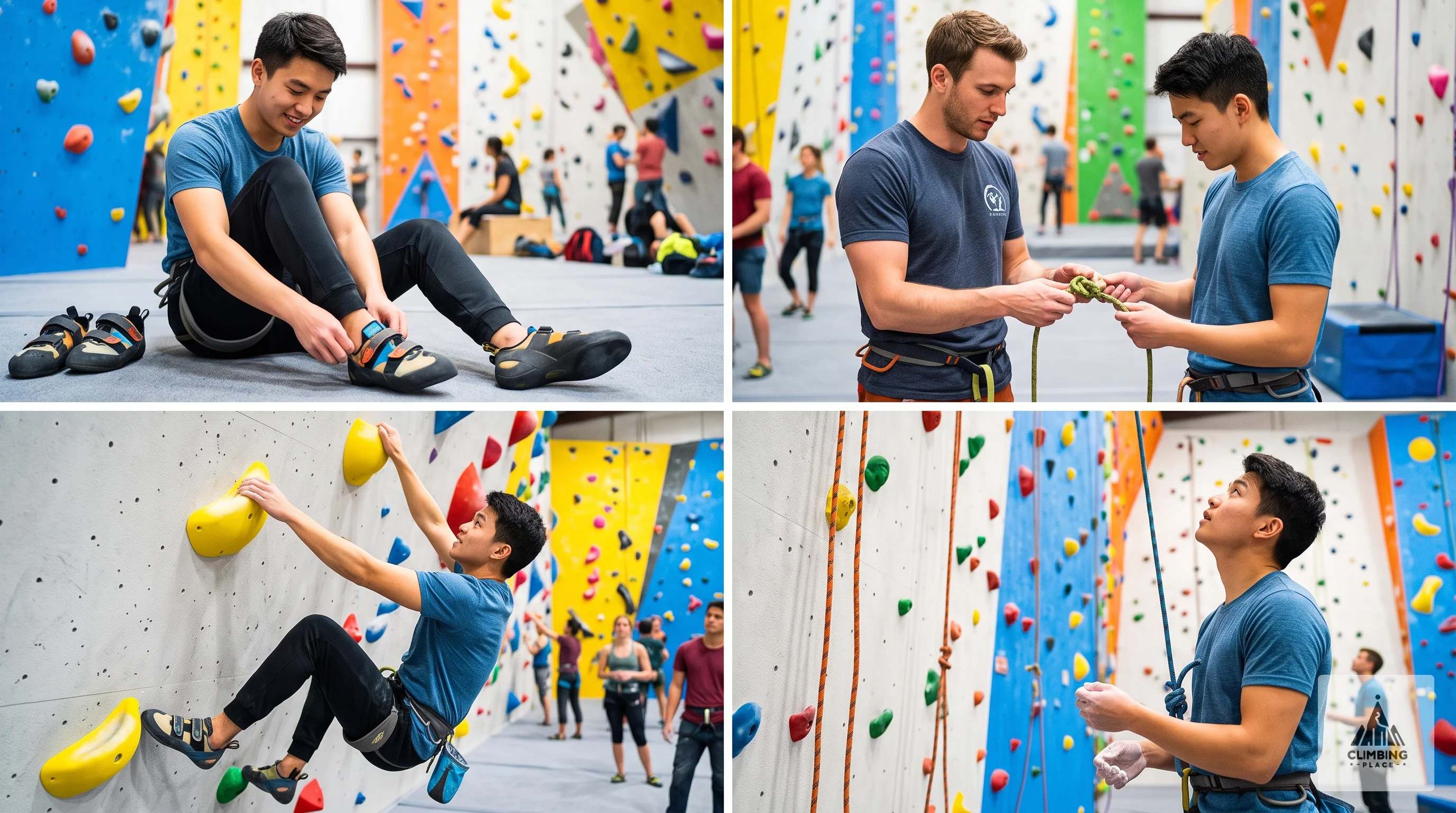
Walking into a climbing gym for the first time is weirdly intimidating. You are surrounded by massive walls, clouds of chalk dust, and people who look like they have been doing this since birth. But everyone started exactly where you are, and the barrier to entry is actually pretty low. You do not need to buy any gear before you show up. Every gym rents out shoes, harnesses, and chalk bags right at the counter. Just wear comfortable sports clothes—leggings or loose joggers are infinitely better than jeans because you need to be able to lift your knees high. Check their website before leaving the house, though. You will almost certainly need to sign a digital waiver online, and some spots require booking an introductory slot or have age limits for kids. Bring a bottle of water and maybe a quick snack; climbing drains your energy surprisingly fast.
Once you get there, just tell the front desk you are new. They will get you sorted with rental shoes—which are supposed to fit tight, so wear thin socks or go barefoot inside them—and give you a quick tour. If you are bouldering on the shorter walls over thick mats, they will show you how to fall safely, where it is dangerous to stand, and how the color-coded grading system works. If you want to rope climb, you cannot just tie yourself in and go. You will need an introduction to the auto-belays, a guided taster session, or a proper class so you actually know how to catch a fall.
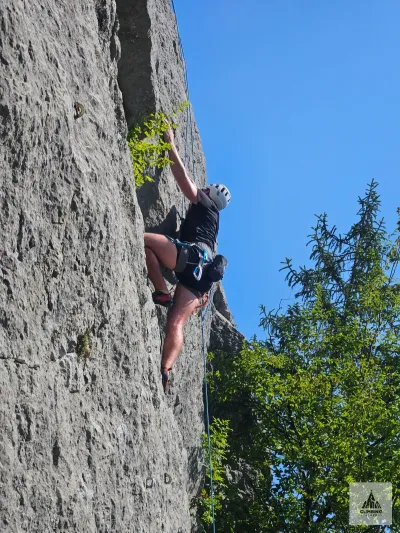
When you start climbing, your instinct will be to haul yourself up with your arms. Don't. You will wear yourself out in ten minutes if you do that. Use your legs instead. Think of it like climbing a ladder—your legs do the heavy lifting, and your hands just keep you balanced. Look at where you are placing your feet before you make a move, and start on the easiest color on the wall. And rest. Seriously, sitting down on the mats for two or three minutes between short climbs is completely normal. If you are bouldering, climb back down using the large holds rather than jumping from the top to save your knees and ankles.
Gym etiquette is mostly just common sense mixed with safety. The absolute golden rule is never to walk or sit directly underneath anyone who is on the wall. If two climbs cross paths, just wait your turn. If you get stuck, do not be afraid to ask someone nearby for "beta"—the climber term for the sequence of moves. Most people are more than happy to help you figure out a route. If you have used a ton of chalk and left the holds looking white and greasy, grab a brush from the bin and give them a quick scrub.
You will probably wake up the next day with incredibly sore forearms. That is normal. Give your hands and fingers a rest day or two before you go back, and stick to about two sessions a week at first to let your tendons adapt to the stress.
To get started, you can find a climbing gym near you on climbing.place, or look for someone to climb with in Find a partner.